Saturday, January 20, 2024

THE FIRST CHRISTIANS WERE NOT LIKE THOSE WHO CAME LATER


THE FIRST CHRISTIANS WERE NOT LIKE THOSE WHO CAME LATER


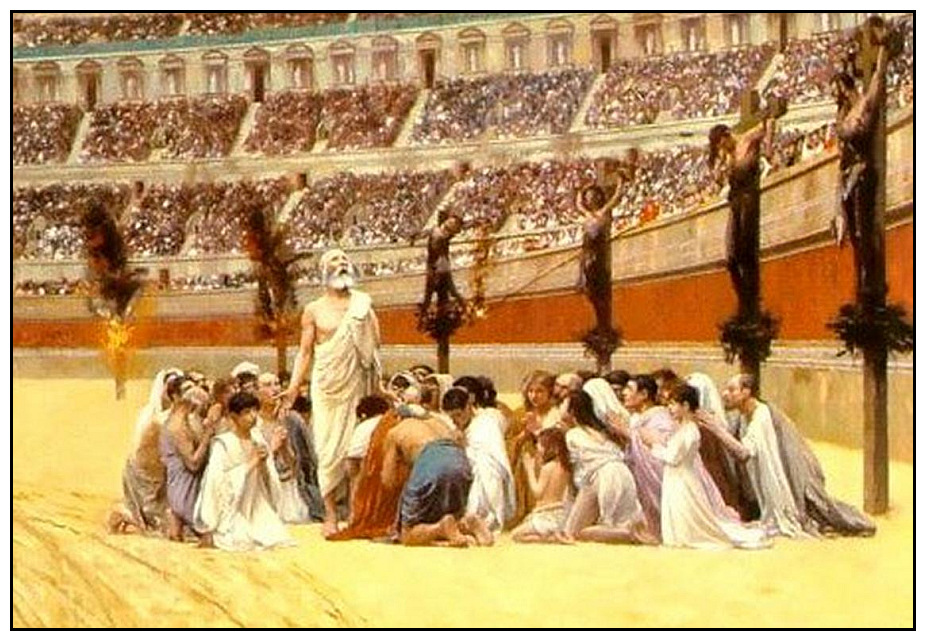
early Christians in the arenaTo eloquently bemoan the fact that Christianity has matured over the centuries is merely to belabor the obvious. The Church is Christ's bride: is a 79-year-old wife the same person as when she was a 21-year-old bride? Of course Christian teaching and practice have grown and matured with time and experience. There have been clari­fications by the Church Fathers, but there have also been errors and even heresies. The danger lies in going to extremes. That's how heresies arise.

Some people say, for example – “Neither the New Testament nor the writings of early Christians support the idea that material wealth is intrinsically evil.” But neither is wealth intrinsically good, because acquiring wealth so often leads to the passion of greed or covetousness. The Lord Jesus Christ taught in the Sermon on the Mount:

"Do not lay up for yourselves treasures on the earth, where moth and rust consume, and where thieves break through and steal; but lay up for yourselves treasures in heaven, where neither moth nor rust consume, and where thieves don't break through and steal; for where your treasure is, there your heart will be also. The lamp of the body is the eye. If therefore your eye is sound, your whole body will be full of light. But if your eye is evil, your whole body will be full of darkness. If therefore the light that is in you is darkness, how great is the darkness! No one can serve two masters, for either he will hate the one and love the other; or else he will be devoted to one and despise the other. You cannot serve both God and Mammon" (Mat. 6:19-24 WEB).

Christ condemns here the desire for ever more and more earthly treasures, the accumulation of material wealth for its own sake. St. John explains “the evil eye” to be “the lust of the eyes” which is greed or covetousness. And our Lord teaches us here that we can't serve or worship both God and Mammon, material wealth. The desire for ever more wealth is worship of a false god, and is incompatible with worship of the true God.

The Apostle Paul in Eph. 5:2-5 states against covetousness:

“Walk in love, even as Christ also loved you, and gave himself up for us, an offering and a sacrifice to God for a sweet-smelling fragrance. But sexual immorality, and all uncleanness, or covetousness, let it not even be mentioned among you, as becomes saints; nor filthiness, nor foolish talking, nor jesting, which are not appropriate; but rather giving of thanks. Know this for sure, that no sexually immoral person, nor unclean person, nor covetous man, who is an idolater, has any inheritance in the Kingdom of Christ and God.”

Here St. Paul contrasts living by the law of love against living by the passions of lust and greed. He includes “covetousness” along with sexual immorality as sins that exclude a person from the Kingdom of God. The Apostle even equates covetousness with idolatry, reflecting the incompatibility of worshiping both God and Mammon. So it isn't too great a stretch for Dr. Hart to state that the accumulation of wealth is intrinsically evil. My own experience teaches me it is extremely difficult to relate to wealth altruistically and without any attraction to it or desire to acquire more and more wealth. As Christ said of the rich young ruler: “How hard it is for those who have wealth to enter the Kingdom of God.”

It is an anachronism to use the word “communism” to describe Acts 6:1-6, the story of how the needy among the first Christians were not being equally served. So the Apostles ordained the first deacons to manage the distribution of all donations, and we never again hear of the early Christians possessing "all things in common.” because the Greek word koinos for “common” is used in Acts chapters 2 and 4, which is the root for the words “communism,” “community” and “communion.” But the modern connotation of “communism” is Soviet or Chinese Marxist socialism. Actually, Marxist doctrine does not teach that the stage of dialectical development reached in the USSR or China was communism, but only socialism. And even that was achieved by force of mass killings and confiscation of all private property, hardly anything like the early Christian community.

When we were living in the Udmurt Republic of Russia in 1993-96, the heart of its military-industrial complex, my first Udmurt language tutor told me of how her parents barely survived the Bolsheviks' collectivization. They owned a cow – just one cow – so they were considered “kulaks” (“fists”) who were holding tightly onto their private property. The Bolsheviks seized not only their cow, but also their house, furniture, clothing – everything. The only item they were allowed to keep other than the clothes on their backs was one blanket wrapped around the elderly and sick grandmother. My tutor's daughter, by the way, was our first convert there and is now a missionary.

The Acts 2-6 attempt at communal living didn't work. This point is often overlooked in discussions about the Christian attitude toward material wealth. We can view Acts chapters 2 through 6 as the first steps of the baby Church in learning how to walk. In that sense, these chapters are historical and descriptive, but not normative and prescriptive. Later apostolic writings teach us to share our material goods with those in greater need. I emphasize the possessive pronoun “our” because the Apostles always use these pronouns which imply the right of having personal possessions. The question then remains: how do we relate to our possessions – do we own them, or do they own us? It is good and right if we own them as stewards to whom the Lord has entrusted a certain number of coins to use for His Kingdom. But it is evil if we either bury or misuse them for selfish purposes, not as a faithful steward: they are “ours” but only as trustees. Christ continued in the Sermon on the Mount by saying in Mat. 6:28-33 –

“Why are you anxious about clothing? Consider the lilies of the field, how they grow. They don't toil, neither do they spin, yet I tell you that even Solomon in all his glory was not dressed like one of these. But if God so clothes the grass of the field, which today exists, and tomorrow is thrown into the oven, won't he much more clothe you, you of little faith? Therefore don't be anxious, saying, 'What will we eat?', 'What will we drink?' or, 'With what will we be clothed?' For the Gentiles seek after all these things, for your heavenly Father knows that you need all these things. But seek first God's Kingdom, and his righteousness; and all these things will be given to you as well.”

Are the debaters about "communism in the early Church" actually just concerned about their future well-being to the extent of “laying up treasures for tomorrow”? Do they have vested retirement accounts? Do they have more raiment than the clothing on their backs? Do they have food stored up in their pantries? I would venture to guess that the answer is “yes” to all these questions. If so, then all their debates are merely tilting at windmills, much ado about nothing, mere empty intellectual exercises. Let us take seriously the words of the Gospel and put them into practice in our lives before we wax loquacious over them.

Go to ARC-News to read our free e-newsletters and Subscribe, or download this essay from https://agape-biblia.org/literatura/#1st-Christians, and share it!


Tuesday, December 26, 2023

The Virtue of Sexual Abstinence Before Marriage

The Virtue of Sexual Abstinence Before Marriage:
Nurturing Relationships and Personal Growth
by Dr. "A.I." Aston Ishing, D.Div.

Introduction
Why Wait? Sexual abstinence before marriage has been a virtue upheld by various cultures and religions throughout history. While societal norms and attitudes toward premarital sex have evolved over time, the idea of abstaining from sexual relations until marriage remains a moral and ethical imperative for many individuals. This essay explores the virtue of sexual abstinence before marriage, examining its roots in cultural, religious, and philosophical perspectives. Additionally, it delves into the potential benefits of abstaining from premarital sex, both on an individual level and within the context of committed relationships.

Cultural and Religious Perspectives
The virtue of sexual abstinence before marriage is deeply rooted in cultural and religious traditions. Many societies, past and present, view sex as a sacred and intimate act reserved for the sanctity of marriage. In various religious teachings, premarital sex is often discouraged due to its potential to undermine the moral fabric of society and the sacred nature of the marital bond.

For instance, in Christianity, the Bible emphasizes the sacredness of marriage and the importance of sexual purity as a reflection of Christ’s sacred, covenant relationship with his Bride, the Church. The concept of waiting until marriage to engage in sexual relations is seen as a means of honoring the commitment and unity of the marital covenant. Similarly, other major world religions, such as Islam and Judaism, also advocate for the sanctity of marriage and discourage premarital sexual activity.

Cultural traditions, too, play a significant role in shaping attitudes toward sexual abstinence. In some cultures, the emphasis on family honor and community values reinforces the idea that sexual intimacy should be confined to the boundaries of marriage. These cultural and religious perspectives contribute to the virtue of sexual abstinence by providing a moral framework that encourages individuals to consider the long-term consequences of their actions.

Individual Development and Self-Discovery
One of the key virtues associated with sexual abstinence before marriage is the opportunity for individual development and self-discovery. Choosing to abstain from premarital sex allows individuals to focus on personal growth, education, and the pursuit of their goals without the added complexities and potential consequences of early sexual involvement.

By refraining from engaging in sexual relations before marriage, individuals have the time and space to explore their identities, interests, and aspirations. This period of self-discovery can contribute to the development of a strong sense of self and a deeper understanding of personal values and beliefs. In essence, sexual abstinence becomes a pathway to emotional and intellectual maturity.

Moreover, delaying sexual activity until marriage can foster a sense of self-respect and self-worth. The decision to abstain from premarital sex communicates a commitment to personal values and a recognition of the significance of the marital relationship. This commitment can positively impact an individual's self-esteem and contribute to the formation of healthier relationships in the long run.

Building Stronger Relationships
The virtue of sexual abstinence before marriage is often associated with the belief that it contributes to the building of stronger and more enduring relationships. By waiting until marriage to engage in sexual intimacy, individuals foster a sense of anticipation and commitment that can deepen the emotional connection between partners.

In a culture that often emphasizes instant gratification, the decision to abstain from premarital sex challenges individuals to build a relationship based on emotional, intellectual, and spiritual connections rather than solely on physical attraction. This intentional approach to relationships encourages open communication, trust, and mutual respect, creating a solid foundation for a lasting partnership.

Health and Well-Being
Another aspect of the virtue of sexual abstinence before marriage lies in the potential health benefits associated with delayed sexual activity. While comprehensive sex education and access to contraceptives are crucial components of sexual health, the decision to abstain from premarital sex can offer a level of protection against certain health risks.

For instance, waiting until marriage to engage in sexual activity reduces the likelihood of unintended pregnancies and the emotional, financial, and social challenges that may accompany them. Additionally, sexual abstinence provides individuals with a greater degree of control over their sexual health: sexual abstinence mitigates the risk of relationship challenges associated with premarital sex, such as sexually transmitted diseases (STDs). Studs share STDs! By waiting until marriage, couples can approach their sexual relationship with a greater sense of responsibility and preparedness, reducing the potential for external stressors such as disease that can strain the relationship.

It is important to note that advocating for sexual abstinence does not negate the importance of comprehensive sex education and access to reproductive healthcare. Rather, the virtue of sexual abstinence before marriage serves as a complementary approach, encouraging individuals to make informed and responsible choices about their sexual health.

Conclusion
In conclusion, the virtue of sexual abstinence before marriage is rooted in cultural, religious, and philosophical perspectives that emphasize the sanctity of the marital bond. While the virtue of sexual abstinence is a personal choice, it is essential to acknowledge that choices have consequences. Choosing to abstain from premarital sex offers individuals health benefits, the opportunity for personal development, self-discovery, and the cultivation of stronger and enduring relationships.

Additionally, sexual abstinence can contribute to better health outcomes by reducing the risk of unintended pregnancies and sexually transmitted diseases. Ultimately, the virtue of sexual abstinence before marriage is rooted in the belief of a good, eternal, supernatural God who desires the eternal highest good for his creations.

Go to ARC-News to read our free e-newsletters and Subscribe, or download this article from https://agape-biblia.org/literatura/#abstinence, and share it!


The above article "The Virtue of Sexual Abstinence Before Marriage" was written mainly by the A.I. app ChatGPT with a little editing by yours truly. It is "AstonIshing" what these new A.I. tools can do! We should use them for building up the Kingdom of Heaven, not just leave them for the devil to use. But be careful: five or six times the A.I. used the words "choice" and "choose" (like "What flavor of ice cream do you choose: vanilla, strawberry, or chocolate?" – morally neutral terms – a pro-choice value system), so I changed them to "decision" and "decide" that imply good or bad, right or wrong decisions, Keep in mind that A.I. reflects the value system of the people who produced the information on which A.I. is trained.

Here's a completely A.I.-written children's story: "Freddie the Cat and Molly the Duck" that I asked "ANonyMouse" (ChatGPT) to write: it's totally unedited, exactly the text that appeared on my screen. At the end, you'll see the simple one-sentence prompt I fed to ChatGPT. Is there an implied value system in it?

Friday, December 22, 2023

Transformed Into His Likeness


Transformed Into His Likeness


(description of photo)"The Word became flesh, and dwelled among us. We beheld His glory, such glory as of the one and only Son of the Father, full of grace and truth" (John 1:14). Right at the beginning of his Gospel, the Apostle John describes the glory of Jesus Christ. A bit farther in this chapter, John tells us how that glory was revealed: "I saw the Spirit descending like a dove out of heaven, and it remained on Him. ...I have seen, and have testified that this is the Son of God" (verses 32 & 34). This is the first "Epiphany" (revelation) of Jesus as the Son of God in His glory.
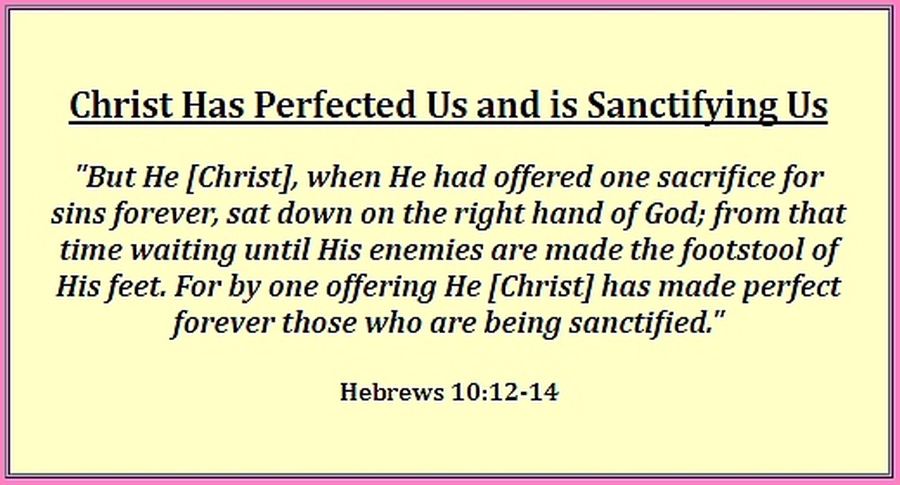
In Luke 9:28–36 we read of the Transfiguration of Christ – "As He was praying, the appearance of His face was altered, and His clothing became white and dazzling." This transfiguration is very likely what John was referring to in John 1:14, when Peter, James and John beheld His glory. St. Peter testifies of the Transfiguration - "For He received from God the Father honor and glory, when the voice came to Him from the Majestic Glory, 'This is my beloved Son, in Whom I am well pleased'" (2 Peter 1:17).

And Christ intends to share His glory with us – "Seeing that His divine power has granted to us all things that pertain to life and godliness, through the knowledge of Him who called us by His own glory and virtue; by which he has granted to us his exceedingly great and precious promises; that through these you may become partakers of the divine nature, having escaped from the corruption that is in the world by lust" (verses 3-4). This is St. Peter's testimony on participating in Christ's glory.

Next, St. Paul also testifies about the topic of transformation – "Do not be conformed to this world, but be transformed by the renewing of your mind, so that you may prove what is the good and acceptable and perfect will of God" (Romans 12:2). The Greek word here for "transformed" is metamorphousthe, the same word used for "transfigured" in Luke 9. So it is the same process, the same action of God's Spirit both in Christ and in us.

After Moses received the Ten Commandments from God, he came down from Mt. Sinai and, having been in the presence of God, his face was shining with glory so much that he had to put a veil on his face because the Israelites couldn't bear to look at the brightness (Exodus 34:35). As St. Paul writes, however, in 1 Corinthians 3:16 & 18 – "But whenever one turns to the Lord, the veil is taken away. ...But we all, with unveiled face beholding as in a mirror the glory of the Lord, are transformed into the same image from glory to glory, even as from the Lord, the Spirit." Christ's glory in us is far greater than the glory that shone on the face of Moses!

As a side note, I should explain that the Church Fathers make a distinction between God's image in all mankind and His likeness in Christ's followers. Here's an analogy: the image is similar to the blueprint or plan or design, but the likeness is the way that a specific house or car follows the blueprint or plan or design. For example, a new Mercedes car is in the Mercedes image, but if it gets in a bad wreck it may no longer be in the Mercedes likeness. Similarly, all people are in the image of God... but if they wreck their lives, they may no longer reflect God's likeness. Christ came, however, to restore or transform us back into the divine likeness.

We can't know exactly what this will be like because it is beyond our earthly experience, but St. John tells us – "Beloved, now we are children of God, and it is not yet revealed what we will be. But we know that, when He is revealed, we will be like Him; for we will see Him just as He is" (1 John 3:2). And St. Paul tells us – "For whom He [God] foreknew, He also predestined to be conformed to the image of His Son, that he might be the firstborn among many brothers" (Romans 8:29).

Paul also wrote – "For our citizenship is in heaven, from where we also wait for a Savior, the Lord Jesus Christ; Who will change the body of our humiliation to be conformed to the body of His glory, according to the working by which He is able even to subject all things to Himself" (Philippians 3:20-21). And also – "For in Him [Christ] all the fullness of the Godhead dwells bodily, and you have this fullness in him, who is the head of all principality and power" (Colossians 3:9-10).

In conclusion, this should be our goal: "Christ also loved the Church, and gave Himself up for it; that He might sanctify it, having cleansed it by the washing of water with the word, that He might present the Church to Himself glorious, not having spot or wrinkle or any such thing; but that it should be holy and without blemish" (Ephesians 5:25b-27).

(Download this as a PDF booklet at https://agape-biblia.org/literatura/#transformed
and go to ARC-News to read our free e-newsletters or Subscribe!)

Thursday, December 7, 2023

Perfect People: Possible But Improbable


Perfect People: Possible But Improbable


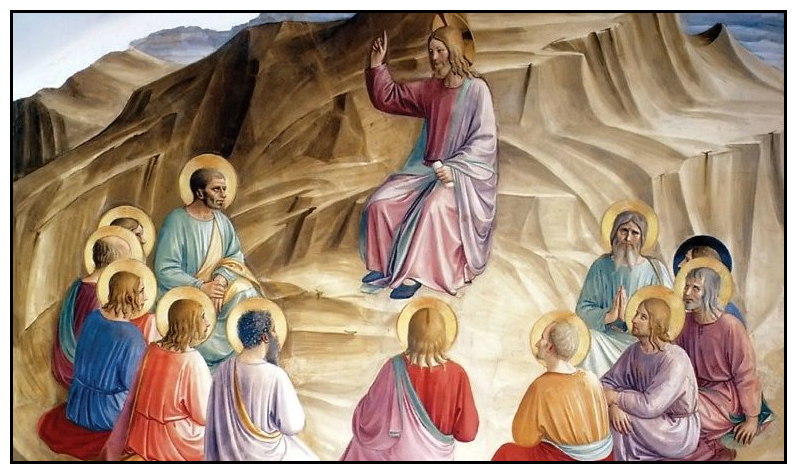
Christ has perfected usHow is it possible that Christ has already made us perfect, as Hebrews 10:12-14 shows here? In Revelation 13:8b we read – "...the Lamb who was slain from the foundation of the world." The sacrifice of Christ took place in eternity past, because He is One of the pre-eternal Trinity. So Christ the God-Man is both outside of time as God and inside time as man, thus His work of perfecting us has both an eternal and a temporal aspect. "Therefore you shall be perfect, just as your Father in heaven is perfect" (Matthew 5:48) and "Follow after peace with all men, and holiness, without which no man will see the Lord" (Hebrews 12:14). How is it possible that Christians can be perfect, how can we fulfill these commands to be perfect and holy?
St. Paul wrote in Philippians 3:8-16 on striving to become perfect:

"Yes most assuredly, and I count all things to be loss for the excellency of the knowledge of Christ Jesus, my Lord, for Whom I suffered the loss of all things, and count them nothing but refuse, that I may gain Christ and be found in Him, not having a righteousness of my own, that which is of the law, but that which is through faith in Christ, the righteousness which is from God by faith; that I may know Him, and the power of His resurrection, and the fellowship of His sufferings, becoming conformed to His death; if by any means I may attain to the resurrection from the dead.

Not that I have already obtained, or am already made perfect; but I press on, if it is so that I may take hold of that for which also I was taken hold of by Christ Jesus. Brothers, I don't regard myself as yet having taken hold, but one thing I do. Forgetting the things which are behind, and stretching forward to the things which are before, I press on toward the goal for the prize of the high calling of God in Christ Jesus."

St. Paul wrote that he was not already made perfect (in the human dimensions of space-time), but he was pressing on to take hold of what Christ had already (in eternity) taken hold of: Paul's perfection. This also explains the "predestination/free will" paradox: Christ as eternal God foreknows all those who are destined for salvation, perfection, and sanctification; but we mortals are limited to space-time and cannot know the future, therefore we must freely choose to "press on toward the goal for the prize of the high calling of God in Christ Jesus."

From God's eternal point of view, there is predestination; but from a human point of view, there is free will and moral responsibility. As a Protestant might say, "God is a Calvinist, but we are all Arminians." In Hebrews 12:25 the Apostle Paul wrote - "See that you don't refuse him who speaks. For if they didn't escape when they refused Him Who warned on earth, how much more will we not escape who turn away from Him who warns from heaven." Humanly speaking, it is possible for us to turn away from Christ, just as it is possible to turn toward Him and follow Him. Let's look at some examples:

In the Early Church, after Emperor Constantine had legalized Christianity and then made it the official state religion of the Greco-Roman Empire, some Christians saw a weakening of the fervor that Christians had exhibited during times of persecution and martyrdom. So they literally forsook everything and followed Christ. At first, these early monastics led a solitary life. Pachomius the Great, an Egyptian soldier in the Roman Army, was baptized 314 in the year as soon as he completed his military service, and immediately started to practice the ascetic life of self-denial.

Soon he withdrew into the desert under the guidance of a spiritual father, and after ten years the Lord spoke to him, saying that he must form a monastic community. Thus was born the first "cenobitic" (from "koinonia") monastic community, just after Christianity was legalized. The "rule" of St. Pachomius became the model for founding documents of many later monastic communities. St. Pachomius worked miracles, and saw visions of holy Angels, and foresaw the day of his death.

Another early saint was Benedict, born in Italy in the year 480. "When he was fourteen years of age, the saint’s parents sent him to Rome to study. Unsettled by the immorality around him, he decided to devote himself to a different sort of life." He first fled to the desert and became a solitary, but after ten years a group of disciples formed around him, eventually growing to over 3,000 monastics in several monastic communities. He wrote the "Rule of St Benedict" that became the model for most monastic communities in the West. He "was granted by the Lord the gift of foresight and wonderworking. He healed many by his prayers. The monk foretold the day of his death in 547."

These two saints lived during the first millennium of Christianity when Christians in East and West formed one united Church. Tragically, after the Great Schism in A.D. 1054, the Christian faith continued to fracture into the tens of thousands of denominations we have today. Each has a portion of original Christianity - some have a large slice of the pie, others just a tiny sliver. If only they could put together all the pieces of the truth, we could again form one true Church.

But the pursuit of holiness did not completely die out. Seraphim of Sarov, who lived in the 18th century, even as a child was twice miraculously healed from illness, and had visions of angels and of Christ himself. At age 18 he entered the monastery of Sarov. At age 27 he was ordained as a hieromonk (priest-monk) and served the Eucharist every day for a year. Then he withdrew further into the wilderness, where bears, rabbits, wolves, foxes and other wild animals came to his hut to be fed from his hand. He once spent 1,000 days on a rock with his hands lifted up in prayer.

A disciple of his named Motovilov came to him one cloudy day in the winter. When asked the meaning of the Christian life, St. Seraphim said - "It is necessary that the Holy Spirit enter our heart. Everything good that we do, that we do for Christ, is given to us by the Holy Spirit, but prayer most of all, which is always available to us." When Motovilov asked how he could know the Holy Spirit, he answered - "We are both now, my dear fellow, in the Holy Spirit." It was as if Motovilov's eyes had been opened, for he saw that the face of the elder was brighter than the sun.

In his heart, Motovilov felt joy and peace, in his body a warmth as if it were summer, and a fragrance began to spread around them. Motovilov was terrified by the unusual change, but especially by the fact that the face of the starets shone like the sun. But St. Seraphim said to him, "Do not fear, dear fellow. You would not even be able to see me if you yourself were not in the fullness of the Holy Spirit. Thank the Lord for His mercy toward us." He went on to explain that this gift was not only for monastics but for all Christians who seek the Holy Spirit with all their hearts.

Another great saint is John of Kronstadt. Born in 19th-century Russia, he lived into the early 20th century. He also had the gifts of healing and foreknowledge. A married priest, he served the Eucharist daily, ministered to the Imperial Family, and foresaw the fall of Russia into atheism a decade after his death. He formed houses for the poor and sick in St. Petersburg, visiting them, praying for them and even giving them the shoes off his feet in the dead of winter. You can get The Aim of the Christian Life by St. Seraphim of Sarov and My Life in Christ by St. John of Kronstadt at our website www.Discover-Original-Christianity.info/literatura.htm.

As St. Seraphim told Motovilov, the gift of the Holy Spirit and the life of sanctification is the aim for all Christians, not just for priests, monks, and nuns. As St. Paul wrote, "to the church of God which is at Corinth; those who are sanctified in Christ Jesus, called to be saints" (1 Corinthians 1:2). But not all will make the effort, "because narrow is the gate and difficult is the way which leads to life, and there are few who find it" (Matthew 7:14). we must make every effort, we must strive for holiness, as St. Peter wrote - "Therefore, my brothers and sisters, make every effort to confirm your calling and election. For if you do these things, you will never stumble," (2 Peter 1:10).

Go to ARC-News to read our free e-newsletters and Subscribe!

Thursday, November 23, 2023

Are Christians Rabble-Rousers?


Are Christians Rabble-Rousers?


Christ's Rabble This photo is from the online Commonweal article "Christ's Rabble" subtitled "The First Christians Were Not Like Us" by Dr. David Bentley Hart, a renowned Orthodox theologian. This photo depicting plaster-of-Paris saintly-looking disciples (except the one with a black halo!) surrounding Jesus that introduced the article aptly illustrates Dr. Hart's disdain for an acculturated, saccharine-sweet version of Christianity.

In 2016, I was asked to write a short essay on this article for a seminary course on Christian Ethics that I was auditing. The assignment was simple: "Do you agree with Dr. Hart's conclusions? Why or why not?" My short answer is: "Yes and no." That's the easy part, now for the hard part. While working on a fresh translation of the New Testament, Dr. Hart began to consider what life was like for the early disciples. He writes, it "caused me to absorb certain conclusions about the world of the early church at a deeper level than I could have anticipated. Most of them I already knew, admittedly, if often as little more than shadows glimpsed through a veil of conventional theological habits of thought...."

As one who has spent many years as editor of a revision the Russian Synodal Bible, I can relate to Dr. Hart's pondering while working with the scriptural texts. Our "conventional theological habits of thought" frame our faith in logical constructs and cultural customs that have developed over the past 2,000 years. Dr. Hart questions the conventional meaning of the word Christian as "someone who is baptized or who adheres to a particular set of religious observances and beliefs," but this is far removed from what the New Testament describes as a Christian:

In the Book of Acts we read: "Therefore those who were scattered abroad went everywhere preaching the word" (Acts 8:4). This verse I adopted as a teenager for my life verse, and it has proved true – I have traveled the world preaching God's Word in four languages. A few chapters later the author Luke picks up the same thread of thought: "They therefore who were scattered abroad by the oppression that arose about Stephen traveled as far as Phoenicia, Cyprus, and Antioch, speaking the word to no one except to Jews only. But there were some of them, men of Cyprus and Cyrene, who, when they had come to Antioch, spoke to the Greeks, preaching the Lord Jesus. The hand of the Lord was with them, and a great number believed and turned to the Lord" (Acts 11:19-21).

The Good News of Jesus Christ was spread across the entire known world not by seminary-educated scholars, but by rude-and-crude former fishermen, publicans, rebels and ex-prostitutes who were "scattered abroad" – driven out of one town after another. The same has happened to me, by the way, being forced out of three different cities in Russia. But the key phrase comes a few verses later, when Barnabas brought Saul to Antioch: "It happened, that for a whole year they were gathered together with the church, and taught many people. The disciples were first called Christians in Antioch" (Acts 11:26). There the term "Christian" was invented (probably sometime later by Evodius, the second Bishop of Antioch). But the question is: What were they called before they were called Christians?

The answer is obvious in this verse: they were called "disciples." But now, two thousand years later, we have split the two terms, "Christian" and "disciple," into two different realities or stages of spiritual growth. The first stage is "someone who is baptized or who adheres to a particular set of religious observances and beliefs," but does not incorporate those beliefs into his day-to-day life: he attends church and contributes as much as is convenient, and that is the extent of his commitment. The disciple, however, is fully committed to struggle against his carnal nature and strives to know God and do His will every day of the week. He prays, reads the Bible and other spiritual literature on a daily basis, helps the poor, sick and elderly, and confesses his sins and shortcomings regularly.

The problem with this dichotomy is that the New Testament knows nothing of the former kind of "Christian." In the first-century Church and onward, until shortly after Christianity at first became officially tolerated, and then displaced paganism as the official state religion, to be a Christian was to be a disciple, and only a true disciple deserved the derisive epithet of "Christian." But when Emperor Constantine made Christianity legal, it became culturally acceptable and convenient to become a Christian.

If one chose to go full-out for the faith, however, one would become a monk or a nun, or flee to the desert and practice strict asceticism. The discipline of discipleship was not required for "ordinary Christians" who paid their annual dues, attended church services as convenient, and thus were more or less assured of a free pass through the pearly gates -- unless they really messed up and committed the "unpardonable sin" (whatever that might be – it was a matter of speculative theological debate).

Then once in a while we find exceptional believers, saints such as John Chrysostom who penned On Wealth and Poverty, or Basil the Great who gave over his large inheritance to the Church in order to build whole communities for orphans, the poor, the diseased, widows and elderly. Dr. Hart no doubt has in mind these examples of true disciples when he along with the Apostle Paul inveighs against "works of the Law – ritual observances like circumcision or keeping kosher" that have little or no relation to "caring for the orphans and widows in their affliction, and keeping oneself unstained by the world" (James 1:27).

I quite agree with Dr. Hart on his repudiation of the idea that in the Magisterial Reformation and onward in much of Protestantism, "justification by grace" instantly imputes the righteousness of Christ to our account, and thus with this accounting maneuver we are relieved of the necessity to do good works. Dr. Hart lists Romans 2:1–16 and 4:10–12, 1 Corinthians 3:12–15, 2 Corinthians 5:10, and Philippians 2:16 as proofs that we will be judged according to our deeds, our works, and not solely by our mental assent to certain theological propositions about Christ's life, death and resurrection that we accept as historically true.

Referring to another article, Dr. Hart wrote "arguing for the essential incompatibility of Christianity and capitalist culture. My basic argument was that a capitalist culture is, of necessity, a secularist culture, no matter how long the quaint customs and intuitions of folk piety may persist among some of its citizens; that secularism simply is capitalism in its full cultural manifestation." On this point and for most of the remaining part of his essay I beg to disagree with him. I see no "necessity" that a free-market economy is intrinsically bound to a secularist culture: it is true and painfully obvious to us as conservative followers of Christ that in many cases modern capitalism promotes secularism and consumerism, but I have lived and served the Lord in socialist countries that are also secular and consumerist-oriented. The carnal nature's desire to acquire – consumerism – and its rebellion against God and rejection of His love is amply evident under socialism, when one looks behind the facade of socialist rhetoric. Our secular Russian acquaintances were fully as acquisitive as their Western capitalist counterparts.

The carnal nature's drive to accumulate wealth for its own sake dates much further back than modern capitalism: the Old and New Testaments witness to this trait of fallen human nature. And yet, the Bible stories of Abraham, Jacob, Joseph, Boaz, David, Solomon tell approvingly of their material possessions because their hearts remained faithful to the Lord – at least most of the time. These stories also tell of how Abraham doubted God's promise to make him great, how Jacob deceitfully got the upper hand over Laban, and how David and Solomon yielded to fleshly lust, which often led to losing out on God's material blessings.

It is abundantly clear from Scripture that the desire for more and more wealth in itself is evil, but also that the blessing of material and physical well-being is often the result of living righteously and striving to please God in all that we do. God promises to bless not only spiritually but even materially those who honor Him. Our goal should be to love God and do good, and let the chips fall where they may. The normal, expected result of doing good is that good things come in return, but we should not doubt God's goodness when evil is returned for good: that is a result of the fallen cosmos in which we live, it is not from God.

Dr. Hart points out Christ's extreme "commands to become as perfect as God in his heaven and to live as insouciantly as lilies in their field; condemnations of a roving eye as equivalent to adultery and of evil thoughts toward another as equivalent to murder; injunctions to sell all one’s possessions and to give the proceeds to the poor, and demands that one hate one’s parents for the Kingdom’s sake and leave the dead to bury the dead." The true disciple, Christ's rabble, in his struggle against the prince of this world and his minions will strive to live out these teachings of Christ. By our counter-cultural lifestyle we are thus rabble-rousers: the secular world, both socialist and capitalist, perceives this lifestyle as a threat to a society that accepts and even encourages human imperfections such as lust, adultery, "greed is good," clannish "diversity" behavior and selfishness.

Yes, it is very difficult – but not impossible as Dr. Hart implies – for the rich to enter the Kingdom of God. St. Luke writes of Christ's encounter with the rich young ruler: "How hard it is for those who have riches to enter into the Kingdom of God! For it is easier for a camel to enter in through a needle's eye, than for a rich man to enter into the Kingdom of God" (Luke 18:24-25). Matthew's Gospel states that the rich can only "with difficulty" enter the Kingdom (Mat. 19:23). Then the disciples asked, "Who then can be saved?" and Jesus replied, "With men this is impossible, but with God all things are possible" (vv. 25-26). I have personally experienced earning in the upper 10% income bracket, and know the temptation of dwelling upon how much I was earning every minute, every second. It was very difficult to break free from that mindset. Salvation merely by human effort, by doing good works or giving one's wealth for the poor, is impossible; but with God's grace transforming our hearts and motives, it is possible to do good works and give up our wealth for the sake of the Kingdom.

Another of Dr. Hart's misreading of Scripture is his statement: "the first converts in Jerusalem after the resurrection, as the price of becoming Christians, sold all their property and possessions and distributed the proceeds to those in need, and then fed themselves by sharing their resources in common meals (Acts 2:43–46). " The verb "sold" is in the Greek tense of a continuing action, not a completed action, and the text does not have the word "all" in it. As a Greek scholar, Dr. Hart should have noticed this. The conclusion that we must draw from this text (and others) is that the early Christians practiced generosity as they sold some of what they owned as needs arose, not everything all at once.

We see this later with Barnabas who "having a field, sold it, and brought the money and laid it at the apostles' feet" (Acts 4:37). This passage does not state that "Barnabas, on becoming a Christian, sold his field" as Dr. Hart writes, implying that a condition of becoming a Christian is to sell all of one's possessions and give all the proceeds to the Church. And the fatal error of Ananias and Sapphira was not that they refused to turn over all their possessions to the Church, but that they lied about what they gave, as Peter said: "Ananias, why has Satan filled your heart to lie to the Holy Spirit, and to keep back part of the price of the land? While you kept it, didn't it remain your own? After it was sold, wasn't it in your power? How is it that you have conceived this thing in your heart? You haven't lied to men, but to God" (Acts 5:3-4). Notice that St. Peter affirmed the Christian's right of ownership of private property: "While you kept it, didn't it remain your own?"

It is a misuse of the word "communism" as currently understood to describe the early Christians' actions as a form of communism. Apparently Dr. Hart has lived all his life in the ivory tower of academia and views communism through the rose-colored glasses of this Leftist-leaning intellectual elite milieu. I have personally witnessed the devastation of society, the economy and the human person by modern communism. It would be much better to use the current expressions "a sharing economy" or "cooperative living" than to ascribe the early Christian lifestyle to communism, a philosophy of forced redistribution, but Christianity upholds ownership of private property as stewardship from God, and teaches the voluntary sharing of one's own possessions with those in need.

Go to ARC-News to read our free e-newsletters and Subscribe!

Friday, November 10, 2023

DO NOT REJECT ME IN MY OLD AGE


DO NOT REJECT ME IN MY OLD AGE


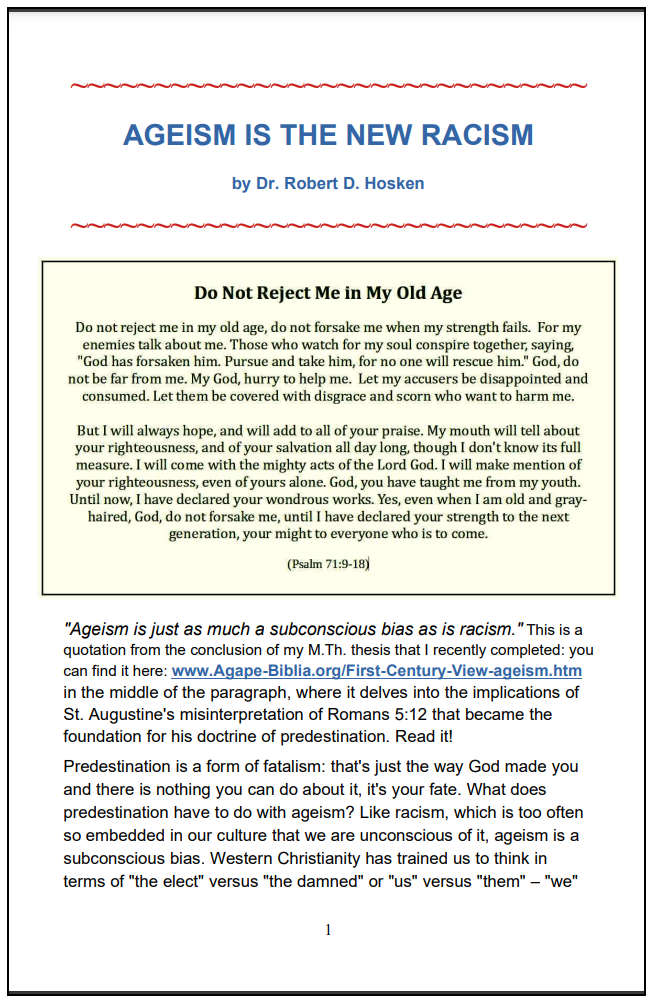
Do Not Reject Me in my Old Age This picture (click it) was in my blog & newsletter article "Ageism Is The New Racism" (7 May 2022 ARC-News). It focused on the unconscious confirmation bias toward elderly people which is coming to the fore now that racial bias is receding. It's become "cool" to be anti-racist these days, but ageism is still alive and well... and increasing. Why is it that even people who rail against racism and think they aren't prejudiced in any way can harbor the unconscious confirmation bias of ageism?

Get "Ageism Is the New Racism" also as a PDF, a 5.5" x 8.5"-formatted 4-page booklet. Ageism, like racism, is an often-subconscious bias that is reflected in the way many people relate to elderly people, either by "politely" ignoring them or by assuming that elderly people (especially with a disability such as hearing loss) have "dementia" – Parkinson's or Alzheimer's Disease – and are incapable of interacting, thus treating them as "other" or less than human. This brief article is based on the Conclusion in this webmaster's online M.Th.S. thesis A First-Century View of Yeshua, the Messiah – you can read it online or download and print this thesis by clicking here.

All people understand new things on the basis of what they have previously learned. We learn how to speak by hearing certain sounds over and over again in various contexts. After we've learned how to speak, read and write our native language, we don't consciously think about making the right sounds or connecting the sounds with written letters: it has become an unconscious process. It's the same with ageism: when a child first sees older people and asks mama or daddy why they look or act differently, the parents explain that as people get older they slow down physically and/or mentally, their bodies get worn out or sick, and eventually they die.

So later, when that child sees an older person, he might assume that the person is starting to slow down physically and/or mentally, the person will get worn out or sick, and then die. How often have you heard derogatory terms such as "old geezer" or "crabby old lady"? We've finally learned not to use the "n-word" but we feel perfectly comfortable thinking and using such derogatory expressions about the elderly. And when an older person shows one of those behaviors, it may unconsciously confirm the idea – the bias – that this person is also going to become demented, get sick, and die pretty soon. By projecting those thoughts toward an older person through body language and tone of voice, without even saying a word, that person gets the idea that he/she ought to drop dead pretty soon.

We have collected a whole series of books along with the article "Ageism Is The New Racism" on our "Free Literature" page:

The following four books illustrate modern, secularized views on ageing that have arisen from Biblical teachings on respect shown to the elderly... teachings that today's Christians often sadly ignore. Get Ending Ageism, or How Not to Shoot Old People by Margaret Morganroth Gullette (free PDF or Amazon). When the term "ageism" was coined in 1969, many problems of exclusion seemed resolved by government programs like Social Security and Medicare. As people are living longer, today's great demotions of older people cut deeper into their self-worth and human relations, beyond the reach of law or public policy.

In Ending Ageism, or How Not to Shoot Old People, award-winning writer and cultural critic Margaret Gullette confronts the offenders: the ways people aging past midlife are portrayed in the media or by adult offspring; the esthetics and politics of representation in photography, film, and theater; and the incitement to commit suicide for those with early signs of "dementia."

Get Ageism Unmasked - Exploring Age Bias and How to End It by Tracey Gendron, Ph.D. (free EPUB – see note 1, or Amazon). Why do we still tolerate stereotypes and discrimination based on age? This bold account of the history and present-day realities of ageism by Dr. Gendron, a nationally recognized gerontologist and speaker, uncovers ageism's roots, impact, and how each of us can create a new reality of elderhood.

Ageism Unmasked shifts the lens, enabling us to see that we tolerate, and sometimes actively promote, attitudes and behaviors toward differently aged people that we would reject and condemn if applied to any other group. It peels back the layers to expose how cultural norms and unconscious prejudices have seeped into our lives, silently shaping our treatment of others based on their age and our own misconceptions about aging – and about ourselves. Offering an all-inclusive approach, Dr. Tracey Gendron reveals the biases behind our false understanding of aging, sharing powerful opportunities for personal growth along with strategies to help create an anti-ageist society.

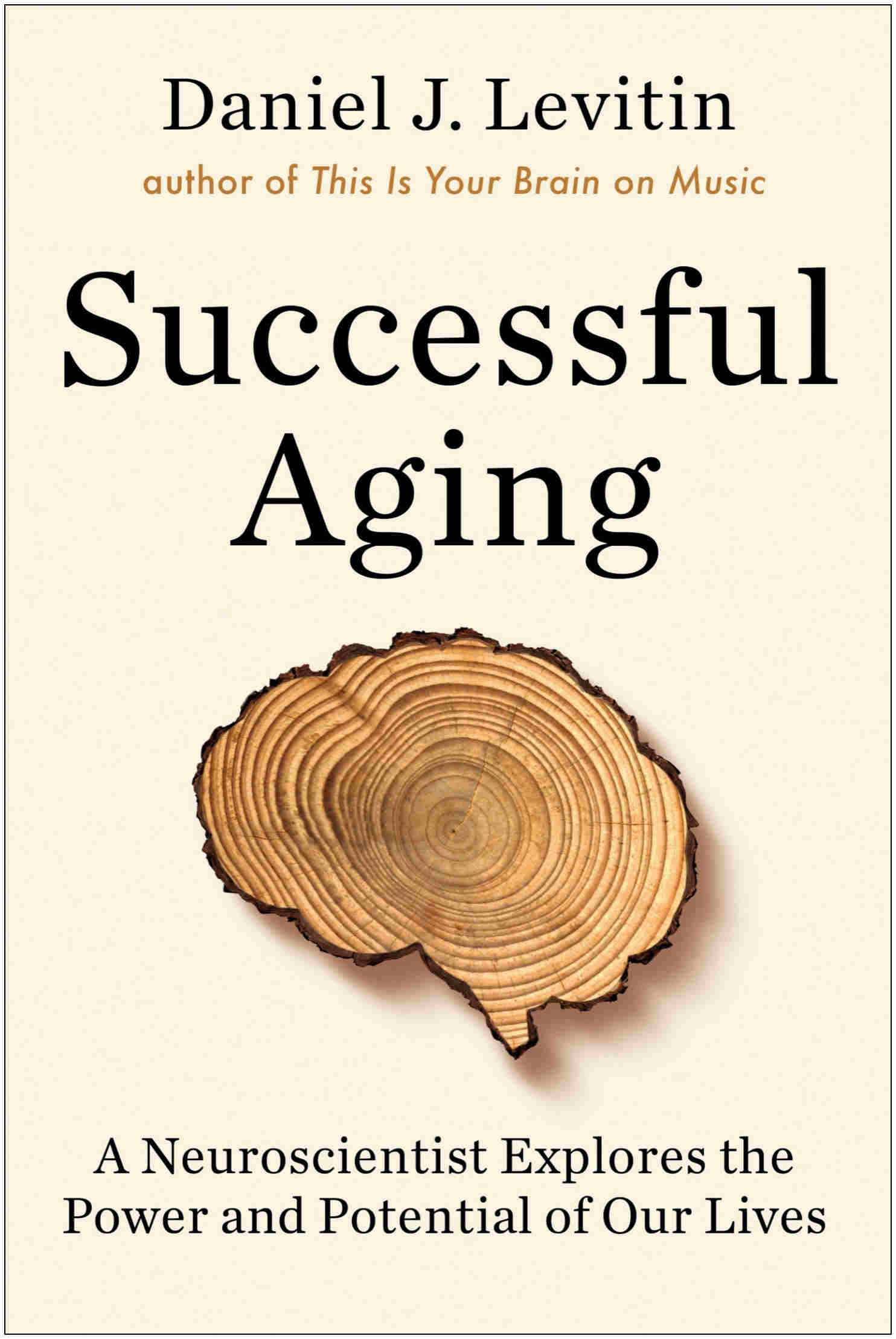
Get Successful Aging: A Neuroscientist Explores the Power and Potential of Our Lives by Daniel J. Levitin, Ph.D. (free EPUB or Amazon). Author of the iconic bestsellers This Is Your Brain on Music and The Organized Mind, Daniel Levitin turns his keen insights to what happens in our brains as we age; why we should think about health span, not life span; and, based on a rigorous analysis of neuroscientific evidence, what you can do to make the most of your seventies, eighties, and nineties today, no matter how old you are.

Successful Aging (or "Ageing" in British English) uses research from developmental neuroscience and individual differences in psychology to show that sixty-plus years is a unique developmental stage that, like infancy or adolescence, has its own demands and distinct advantages. Levitin takes a scientific approach to what we all can learn from those who age joyously, as well as how to adapt our culture to take full advantage of older people's wisdom and experience.

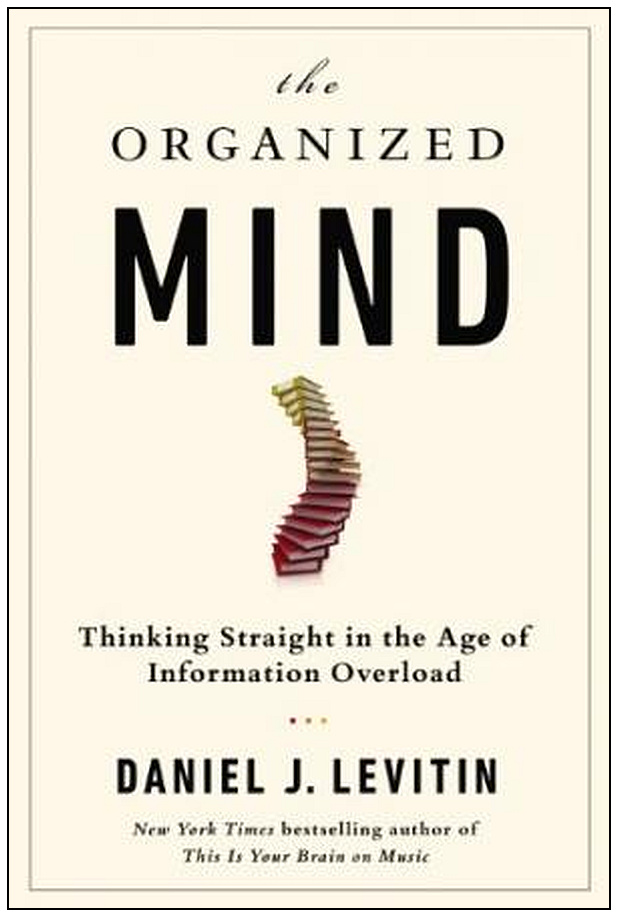
Get The Organized Mind: Thinking Straight in the Age of Information Overload by Daniel J. Levitin, Ph.D. (free EPUB or Amazon). Levitin runs the "Laboratory for Musical Perception, Cognition and Expertise" at McGill University, where he holds the Bell Chair in the Psychology of Electronic Communication. Before becoming a neuroscientist, he worked as a session musician, sound engineer and record producer. A New York Times bestselling author and neuroscientist, he shifts his keen insights from your brain on music to your brain in a sea of details. The information age is drowning us with an unprecedented deluge of data. At the same time, we're expected to make more – and faster – decisions about our lives than ever before. This book is an excellent resource for elderly people.

No wonder, then, that the average American (especially an older person) reports frequently losing car keys or reading glasses, missing appointments, and feeling worn out by the effort required just to keep up. But somehow some people become quite accomplished at managing information flow. In The Organized Mind, Daniel Levitin uses the latest brain science to demonstrate how those people excel – and how readers can use their methods to regain a sense of mastery over the way they organize their homes, workplaces, and time. With lively, entertaining chapters on everything from the kitchen junk drawer to health care to executive office workflow, Levitin reveals how new research into the cognitive neuroscience of attention and memory can be applied to the challenges of our daily lives. His earlier book This Is Your Brain on Music showed how to better play and appreciate music through an understanding of how the brain works. The Organized Mind shows how to navigate the churning flood of information in the twenty-first century with the same neuroscientific perspective.

Go to ARC-News to read our free e-newsletters and Subscribe!

Saturday, October 28, 2023

ARE RETIREMENT COMMUNITIES SAFER THAN IN-HOME CARE?


ARE RETIREMENT COMMUNITIES SAFER THAN IN-HOME CARE?


retirement communities vs. home care CLICK THE PIC! Just this week I came across a few articles about comparing retirement communities vs. home care. This infographic goes on to compare them in terms of nutrition, safety, connection with others, emergency preparedness, and protection from fire danger, isolation, falling. Here's an intro to the leading article:

"When it comes to health and safety concerns, seniors are an especially vulnerable group. Our safety needs and considerations evolve as we get older, which means seniors have to make changes to adapt. For seniors to thrive during retirement, they need to be proactive about their health, safety, and social life.

"Recently, there has been some concern about the safety of retirement communities in light of the global pandemic. To make an informed decision and rise above the public anxiety, it’s important to look at the real data regarding the safety of retirement. View our infographic below for information regarding the safety of retirement communities, as compared to in-home care and living alone.

"More seniors are choosing to live in retirement communities to focus on their health & wellness. From social connection opportunities, convenient meal services and on-site medical staff, senior communities truly place value on the wellbeing of residents. Connect with a Senior Lifestyle community near you to find out more about the health and wellness programs that are just a few clicks away." There's the sales pitch. You now realize that they want you to sign up for a senior community. What's the solution?

Another article in a link from the one above is "The Cost of In-Home Care Versus Senior Community Living" that deals with the very real aspect of expense. Although nearly 90% of seniors want to stay in their homes for as long as they can – it's familiar and full of memories – many seniors with disabilities face architectural barriers: they have heart problems or bad knees, a broken leg or hip that hasn't healed well, a leg amputation, etc., and simply shouldn't stay in their homes.

Senior communities provide better nutrition, safety, connection with others, emergency preparedness, and protection from fire danger, isolation, and falling. But senior communities cost $3,000 to $8,000 per month, the median net worth of retired couples is less than $50,000, and many of them have little or no savings. Their home equity and/or savings would pay for a year or less in a senior community. Then they're broke and out on the street.

Home healthcare isn't cheap either. Very few doctors make housecalls nowadays, and a home health aide can cost over $20 per hour. Insurance might pay less than the full amount for a nurse or an aide to visit, and the number of visits might be limited – after that, you're on your own. A spouse (usually the wife because women live longer) taking care of a disabled spouse often becomes exhausted and simply can't continue caring, so they have to hire someone to provide respite care, or place that spouse in a nursing home... if they can afford it. A child or other relative often must quit their job to provide care for their loved one.

Also, seniors sometimes just can't stay in their homes because they can't climb stairs to bedrooms or go downstairs to do laundry in the basement. Most homes are still not designed to be without stairs inside or outside, all on one floor for seniors. A basic, accessible one-bedroom apartment plus insurance and utilities can easily cost $1,500 per month. That can take up most or all of some people's Social Security income and doesn't provide the level of nutrition, safety, connection with others, emergency preparedness, and protection from fire danger, isolation, and falling that one gets in a senior community. What to do?

This presents an either-or dichotomy, but it doesn't have to be that way. We can combine the advantages of a senior community with the lower costs of home care. Our Agape Restoration Communities concept offers the better nutrition, safety, connection with others, emergency preparedness, and protection from fire danger, isolation, and falling – combined with the lower costs of a one- or two-bedroom living unit all on one floor, with a community room/chapel for connection with other people, common meals, activities like games or exercise, and of course worship together. Home healthcare workers can provide care for more than one person per trip, saving time and transportation expense. It's called "co-living" or "co-housing" where people share living space and common areas, often with a younger person such as a university student having an inexpensive place to live in exchange for a few hours per week of providing care or other services.

This is what Christian community ought to be like: caring for one another and having things in common while at the same time being responsible for oneself as much as possible. So please check out our Agape Restoration Communities!

Go to ARC-News to read our free e-newsletters and Subscribe!

  A SIX-LANE HIGHWAY, OR A NARROW ROAD WITH TIGHT GATE?     (Click the pic!) We in the West love to think that we have freedom of relig...